
Learn to Interpret Nature—and Understand What Shapes the Living World
See and experience the patterns, processes, and relationships of the natural world—and become more fluent in nature’s language.
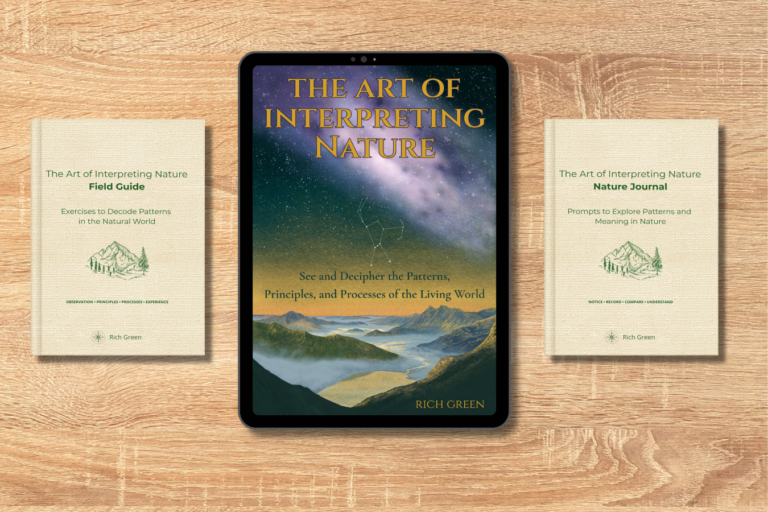
The illustrated E-book, Field Guide and Nature Journal offer a complete, practical system for observing, exploring, and deciphering the natural world.
E-book + 2 companion Guides
Written and illustrated by author-artist Rich Green
The Art of Interpreting Nature —Complete Learning System
A Practical Path into Interpreting Nature
More Than a Book—A Complete Way to Learn Nature’s Grammar
Many people sense that the living world is full of meaning but lack a clear way to interpret what they see. This bundle brings together the illustrated eBook, Field Guide, and Nature Journal as a complete learning system, helping readers move from scattered observations to a clearer understanding of the patterns, processes, principles, and relationships at work in nature.
What’s Included
Three Resources, One Interpreting Nature Pathway
1. The Art of Interpreting Nature E-book.
204 pages
The core illustrated guide to seeing and deciphering the patterns, processes, principles, and relationships of the living world more clearly and with greater understanding.
2. The Art of Interpreting Nature Field Guide.
92 pages
A practical companion designed for direct use in the field, helping bring the book’s ideas into lived experience through guided attention to pattern, process, form, and relationship.
3. The Art of Interpreting Nature Nature Journal.
88 pages
A reflective companion for recording insights, following recurring themes over time, and deepening a more personal practice of interpreting the living world.
Why This Skill is Important
Most People Are Never Taught How to Read Nature’s Grammar
Many people notice interesting details in the natural world but lack a clear way to interpret what they see. Without a way to read patterns, processes, principles, and relationships together, nature can feel rich in meaning yet difficult to understand truly.
- We notice details, but not always how they connect
- We see change, but not the processes shaping it
- We sense meaning, but lack a clear method for interpretation
The Art of Interpreting Nature Bundle is designed to help close that gap by turning scattered observation into a clearer practice of interpretation, helping readers understand how patterns, processes, principles, and relationships work together in the living world.
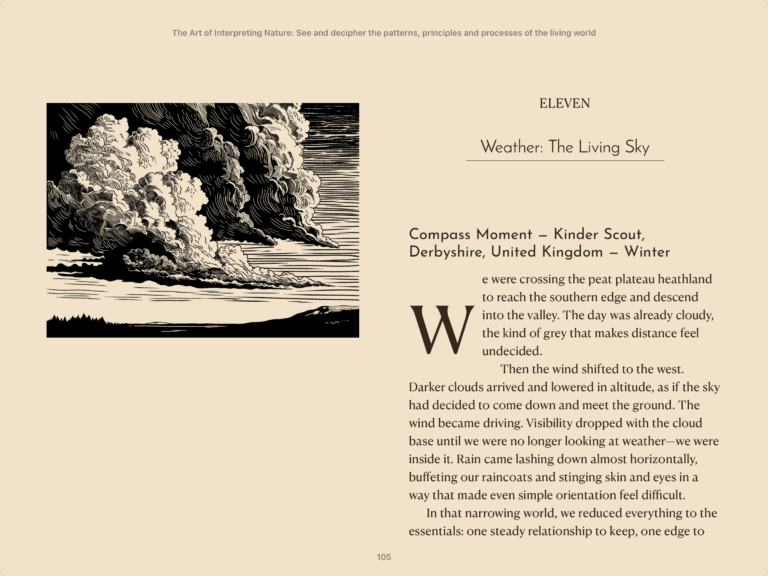
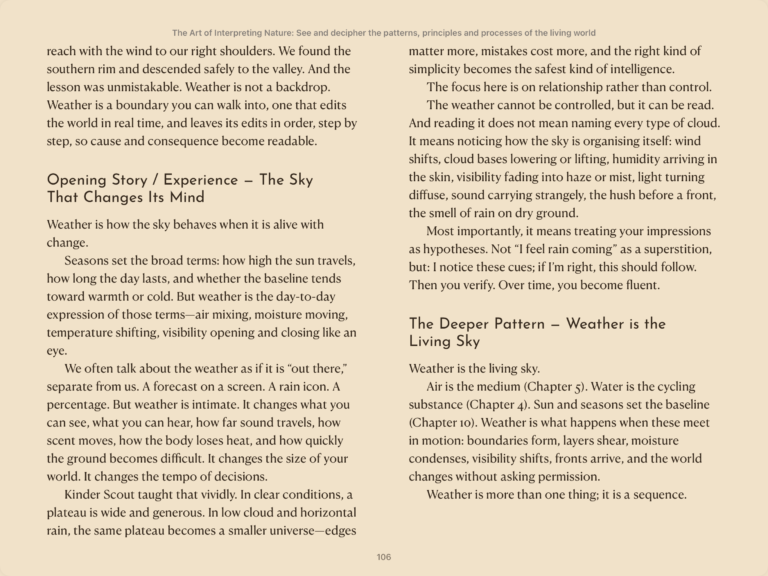
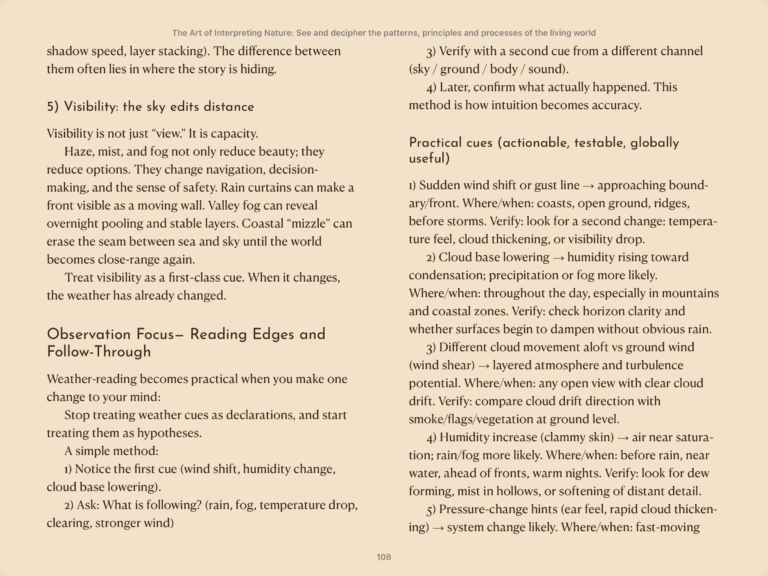
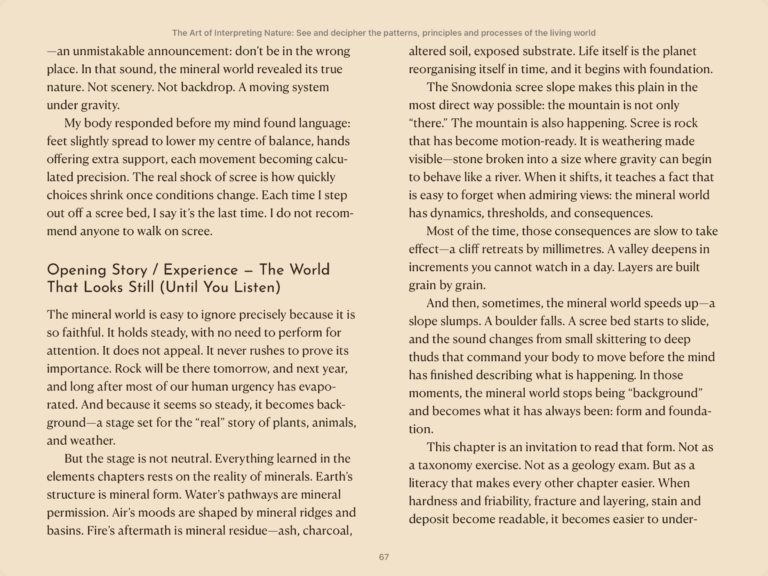
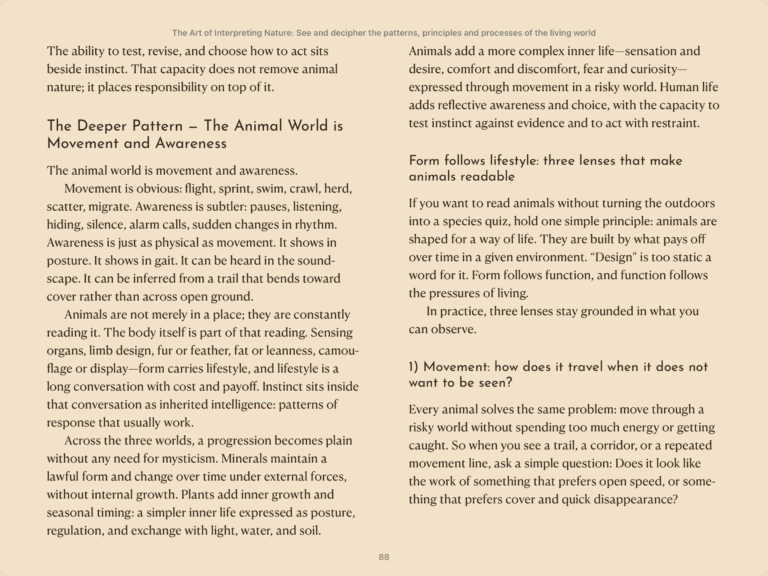
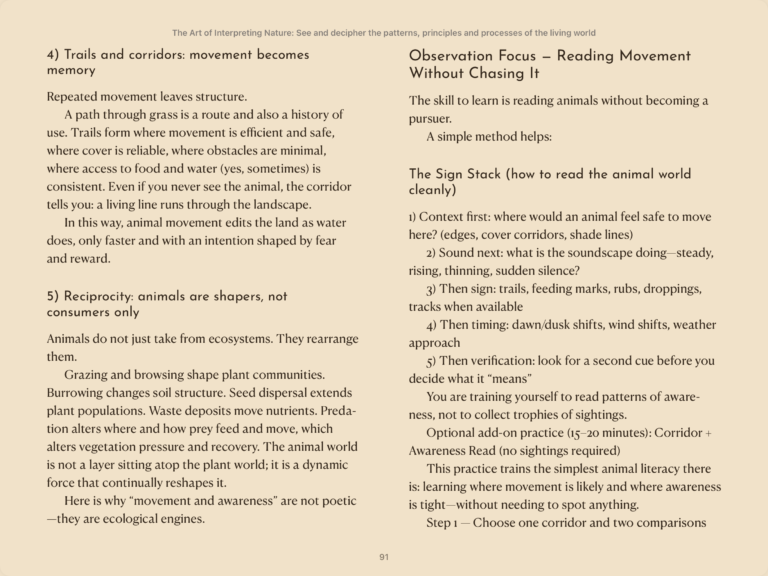
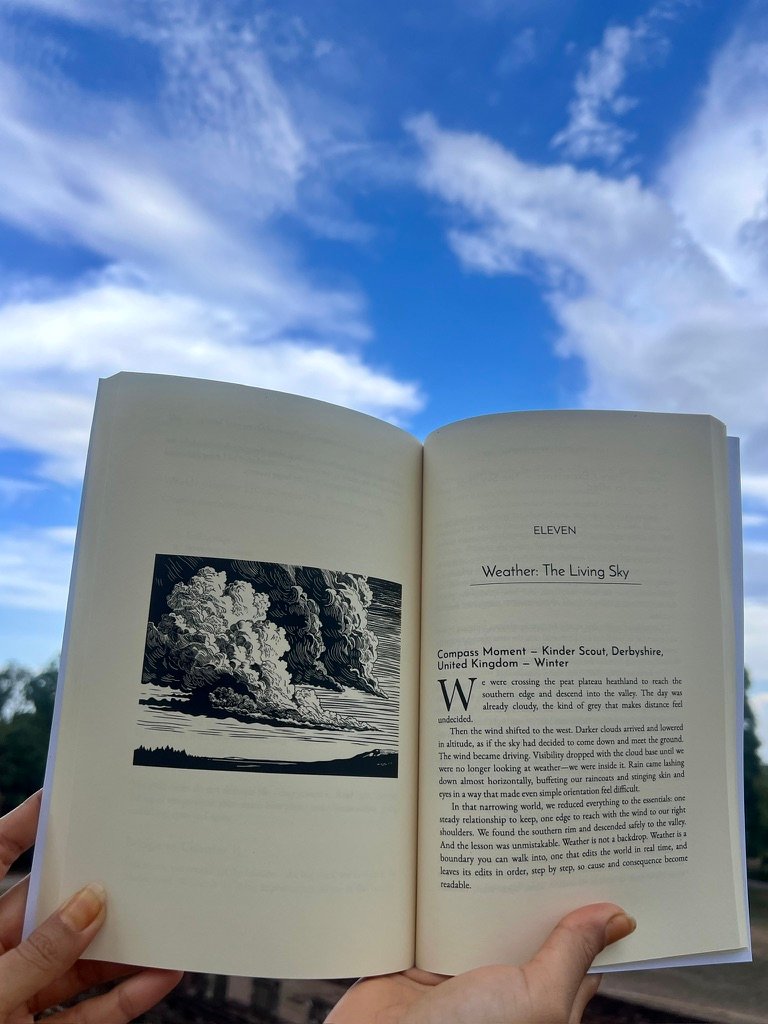
Sample Pages of the eBook
At the Heart of the Bundle
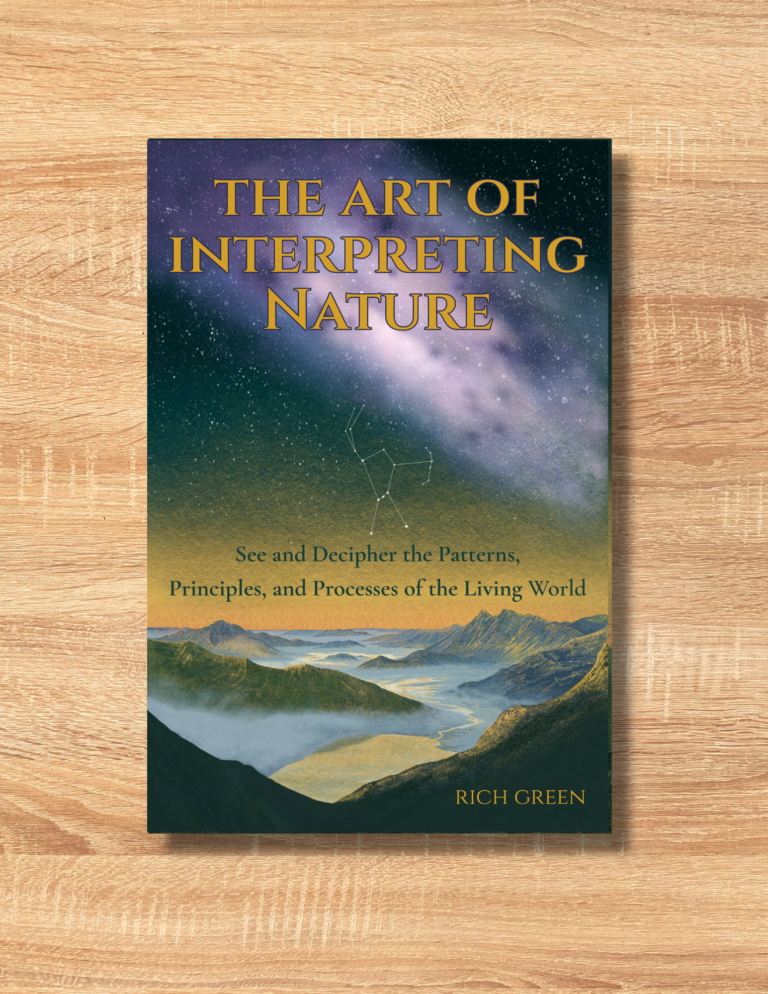
The Art of Interpreting Nature eBook
An illustrated system for learning nature’s grammar
Written and illustrated by author-artist Rich Green, The Art of Interpreting Nature explores how nature communicates through pattern, process, and principle. It teaches you how to move beyond passive observation and begin interpreting the relationships, forces, and recurring forms that shape the living world.
The focus shifts from isolated facts to relationships and systems, helping you recognise meaningful patterns, connect them to the processes that produce them, and gradually understand the wider principles they reveal. What once appeared random begins to show structure, logic, and expression. Small signs connect into larger systems. Observation becomes interpretation.
At its core, The Art of Interpreting Nature is an invitation to look more deeply at the living world and discover that what once seemed random is often structured, connected and quietly expressive. By learning to read nature’s grammar, you begin to see relationships, patterns and meanings that transform simple observations into genuine understanding.
Companion Resources
Take Reading Nature into Practice
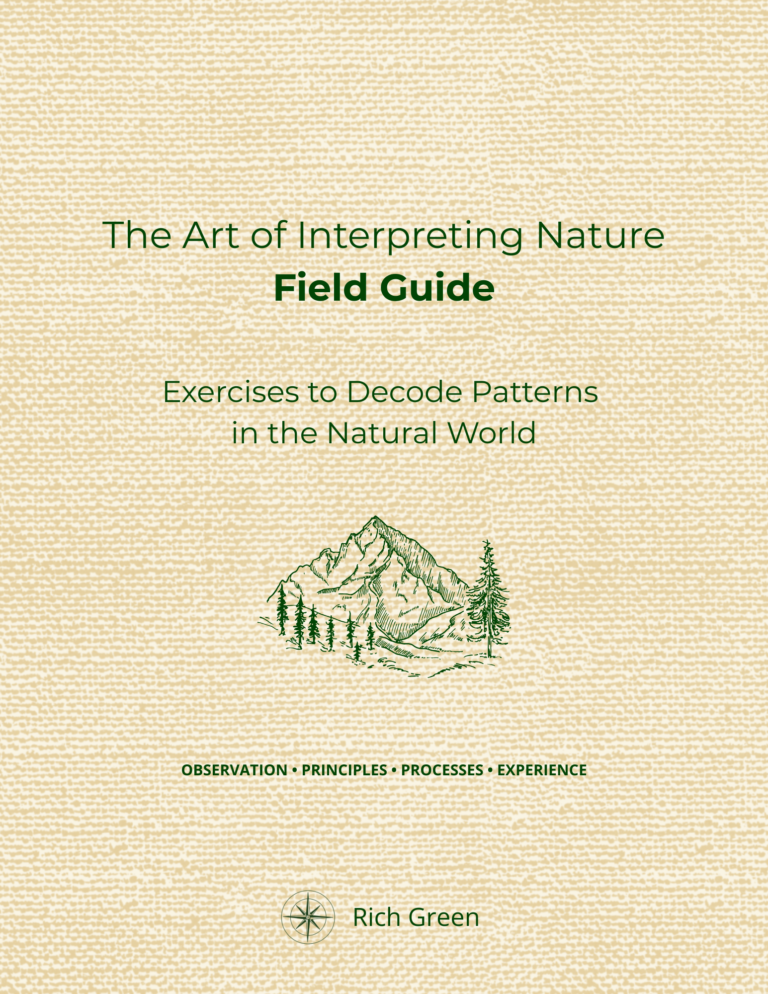
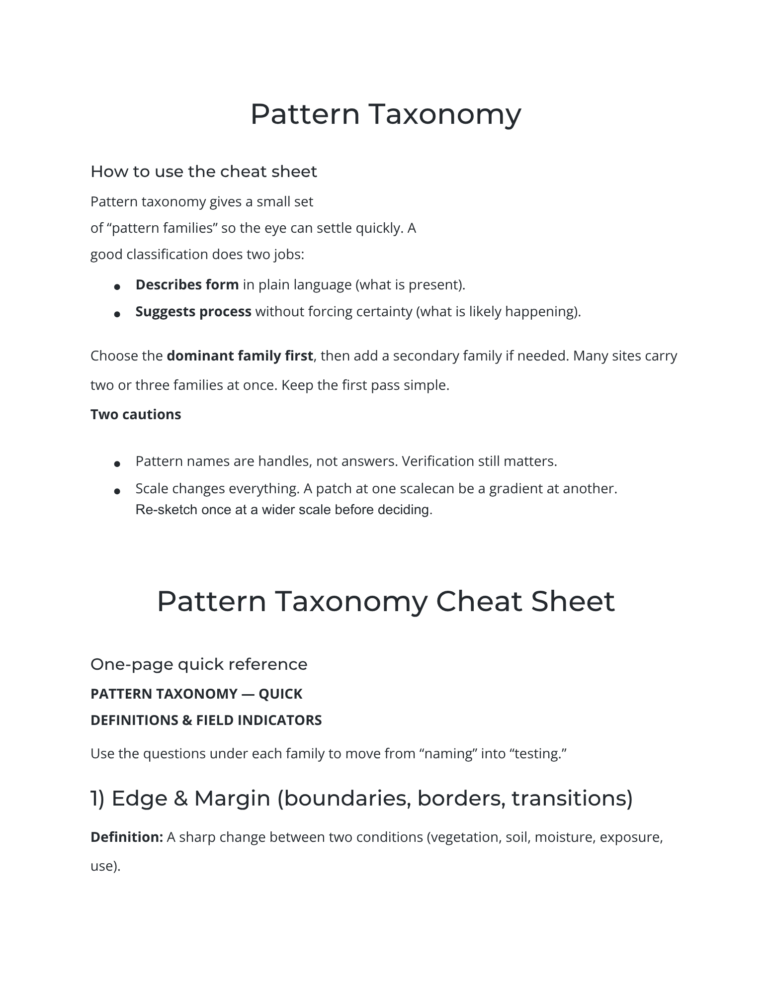
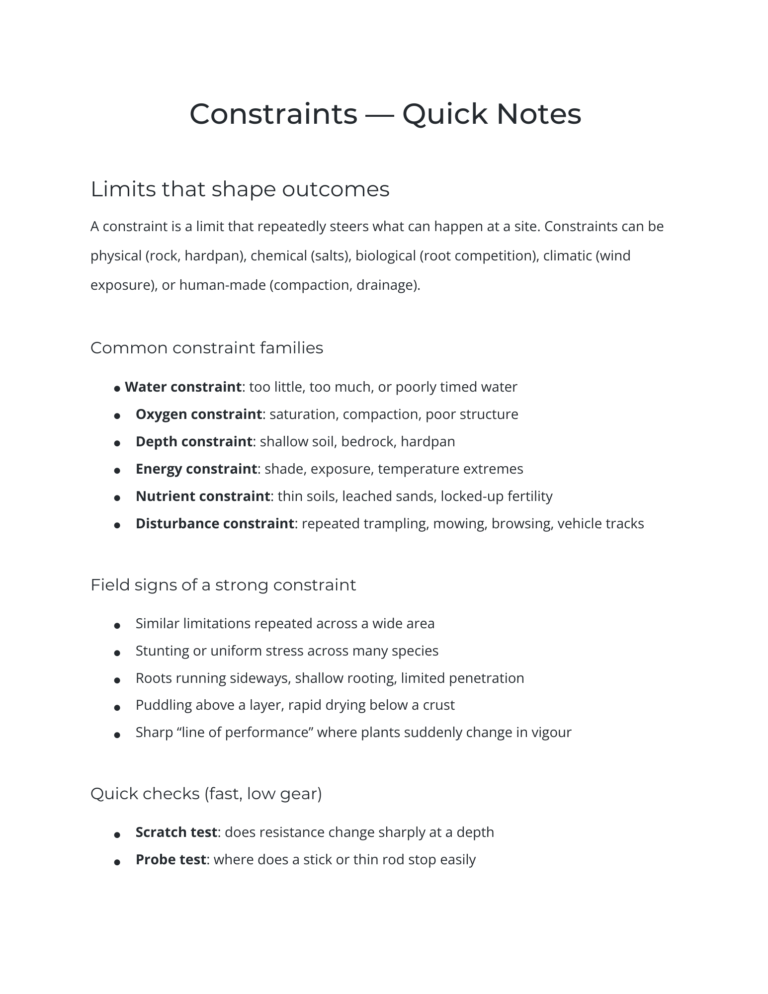
The Art of Interpreting Nature Field Guide - 92 pages
A substantial companion designed to take the book’s interpretive model into direct experience.
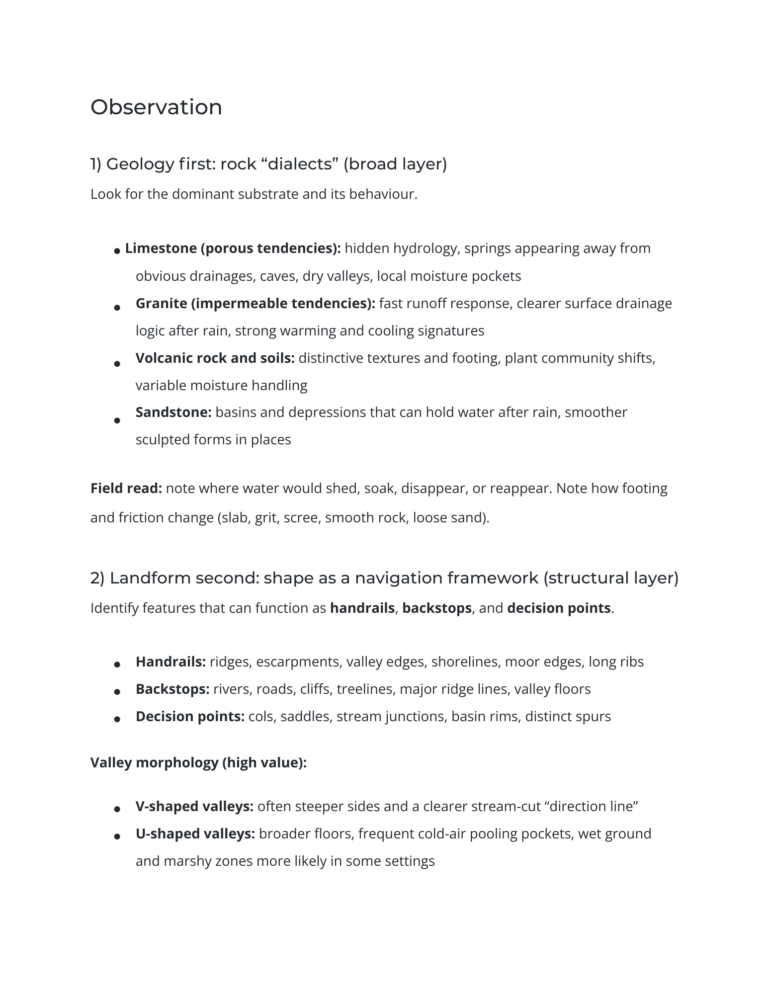
The companion PDF offers extensive field exercises built around the progression from pattern → process, helping you gain real experience before adding principle. The sequence keeps your understanding rooted in what you can genuinely observe, compare, and test in the field.
Alongside the extensive field exercises, the guide introduces pattern taxonomies, formation models, heuristics, and interpretive safeguards that help keep your understanding grounded in real-world observation.
As you work through the guide, patterns become more than things to identify. They become clues to growth, formation, movement, pressure, change, and interaction. You begin asking better questions about the recurring forms and expressions of nature:
- What kind of pattern is this?
- How might it have formed?
- What process is shaping it?
- What would I expect to see if that were true?
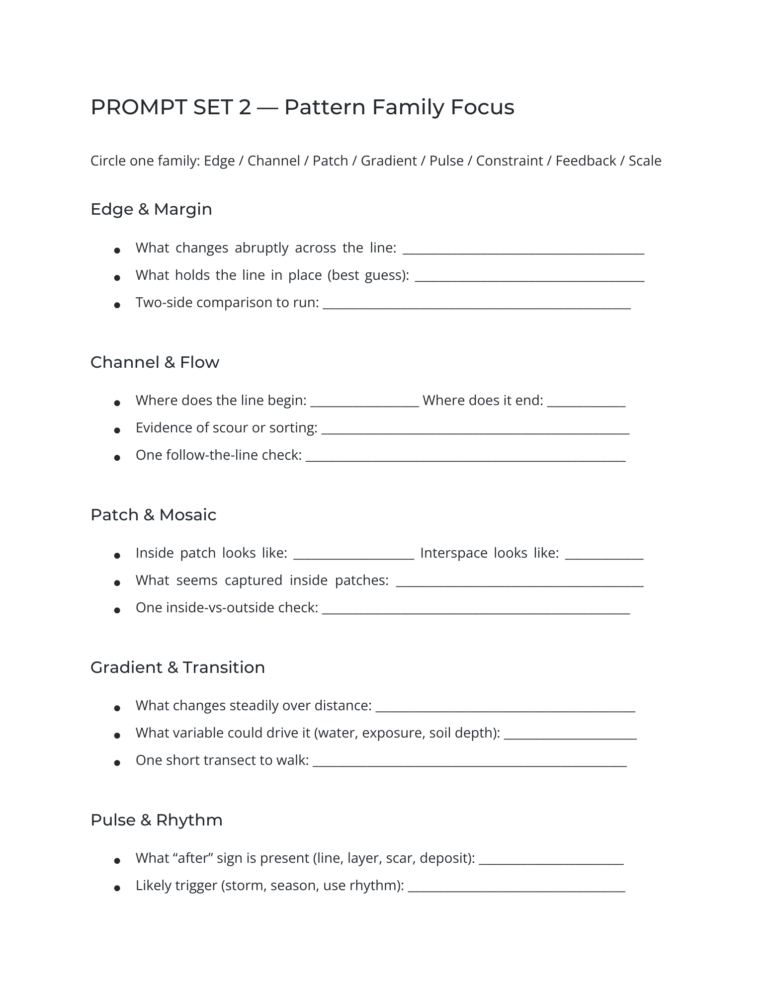
The Field Guide gives you repeated opportunities to work with real patterns encountered outdoors and understand how they connect to the processes that shape them.
Over time, patterns that once appeared random begin to make sense, and the living world reveals itself as something far more connected, expressive and understandable than it first seemed.
The Art of Interpreting Nature Nature Journal - 88 pages
An in-depth, structured journal designed to help you practise and deepen the interpretive method.
It includes two parts:
Core Nature Journal Pages: focus on learning different pattern types, noticing how they are formed, and connecting them to process.
Advanced Nature Journal Pages: add principles, completing the movement from pattern to process to principle.
This is where interpretation becomes more disciplined and personal.
The journal helps you slow down, compare examples, test possible explanations and recognise where assumptions still need testing. Over time, you begin to build a more coherent understanding of how nature expresses itself through form, change, and relationship, discovering that nature has structure, meaning, and cause. It becomes a personal record of learning to read nature’s grammar.
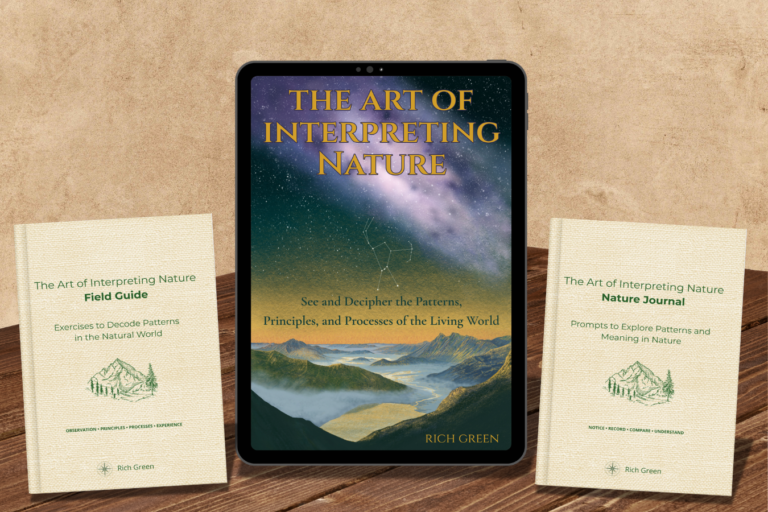
Together, these Companion Guides give the bundle real depth in practice — helping interpretation become more grounded, experiential, and steadily more coherent over time.
How the Bundle Works Together
A Complete System for Interpreting Nature
1
Read
2
Apply
3
Deepen
The Art of Interpreting Nature eBook introduces the core interpretive framework, helping readers see how patterns, processes, principles, and relationships shape the living world.
The Art of Interpreting Nature Field Guide takes that framework into direct experience through structured field exercises, helping readers work from observation, comparison, and testing rather than assumption.
The Art of Interpreting Nature Nature Journal gives readers a place to record insights, follow recurring forms and relationships, and build a more disciplined understanding over time.
Together, the bundle turns interpretation into a clearer and more grounded practice — one that moves from understanding the framework, to testing it in the field, to deepening it through reflection.
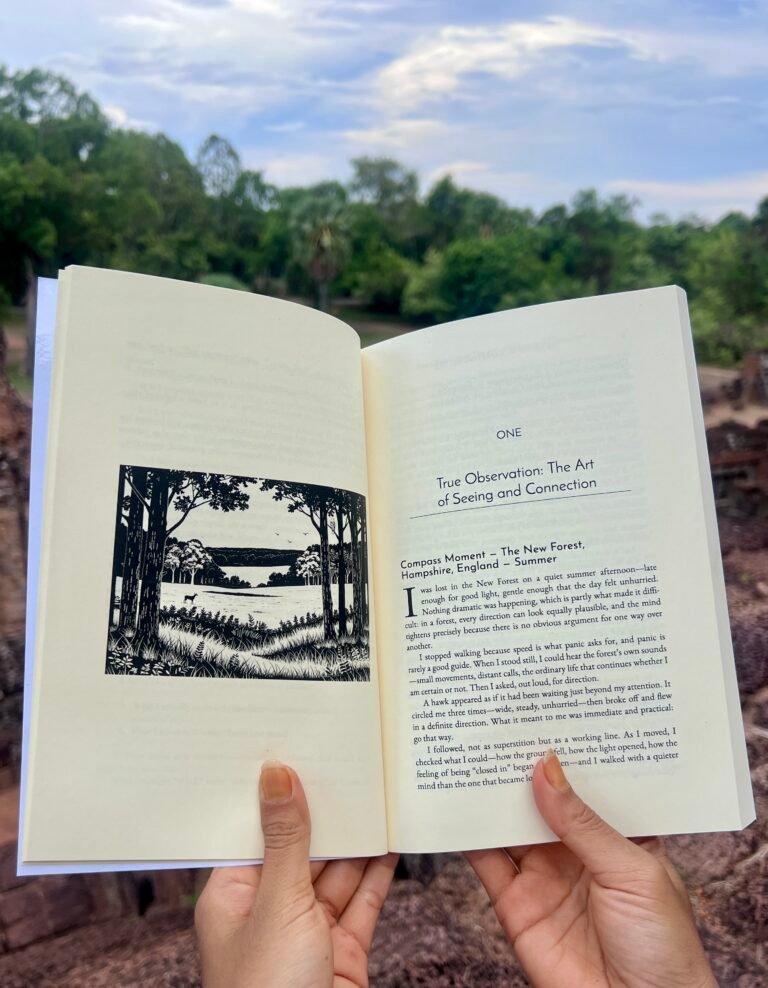
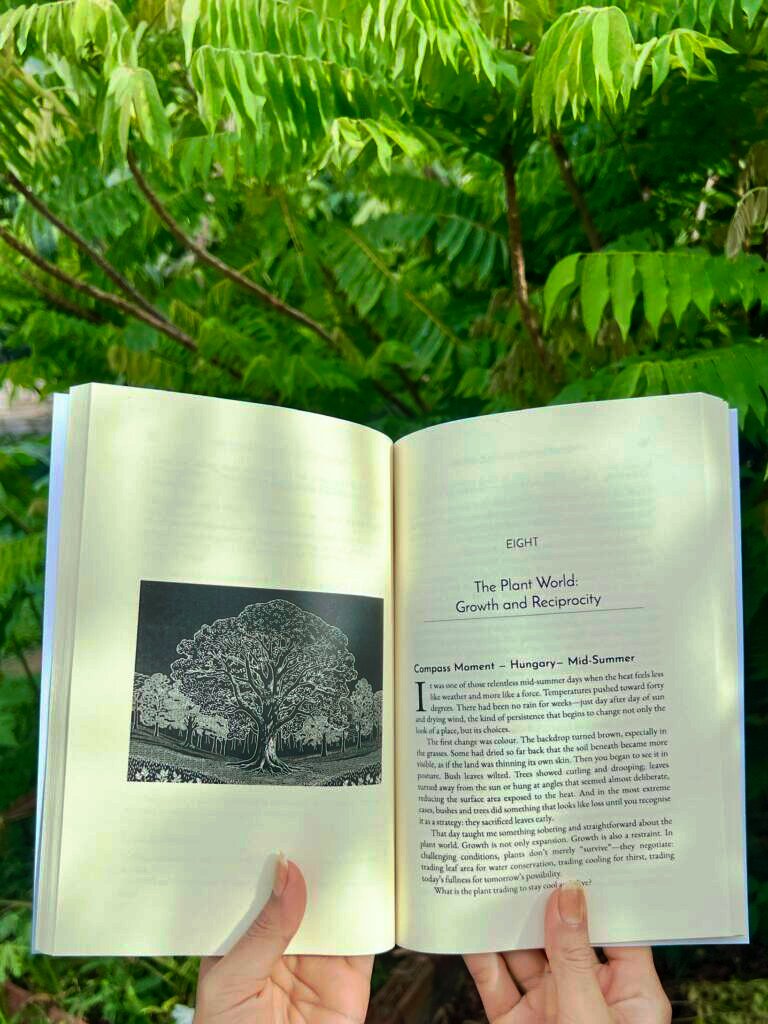
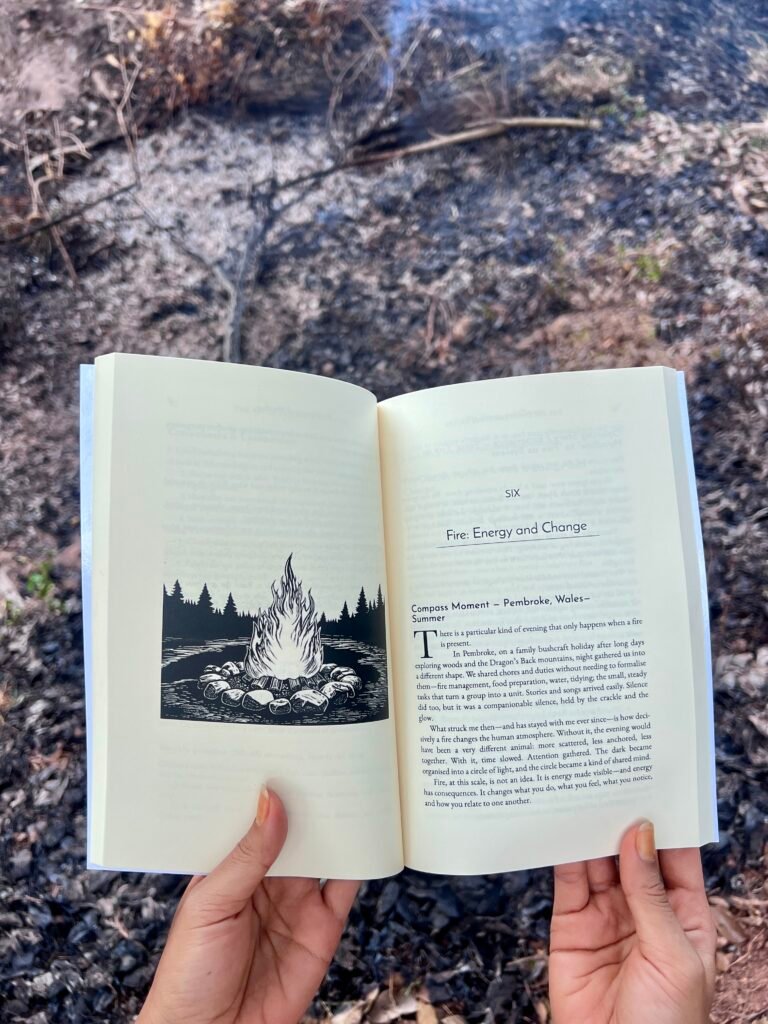
Use in the Field
Designed for Real Use Outdoors
A bundle made to be used beyond the page — in observation, reflection, and direct experience of the living world.
Who the Bundle is for
The Bundle is for readers who feel that nature holds deeper intelligence, patterns, and meaning – but have never been given a practical framework for understanding it.
- Naturalists & Outdoor Practitioners
- Educators & Field Guides
- Systems Thinkers & Observers
- Walkers, Artists, & Curious Minds
- Nature Lovers
- Mindfulness & Pure Thought Practitioners
Whether you are exploring forests, landscapes, gardens, or everyday environments, the principles in this book help develop a more attentive and interpretive relationship with the living world.
Because nature is not silent, it is patterned, responsive, and continually communicating through form and process.
📖 What you will develop
As you move through the book and compnion guides, you begin to develop a different relationship with the natural world – one based not only on observation but also on interpretation.
You will learn how to
- Notice patterns, relationships, and living processes in the natural world.
- Recognise how environments respond to changing conditions
- Become more observant on everyday walks.
- Compare, reflect upon, and interpret what you experience directly in the field.
- See beyond isolated details into connected processes
- Experience nature not just as scenery, but as something structured, meaningful and alive.
The result is a quieter, deeper form of understanding grounded in direct experience – where wonder begins to transform into skill.
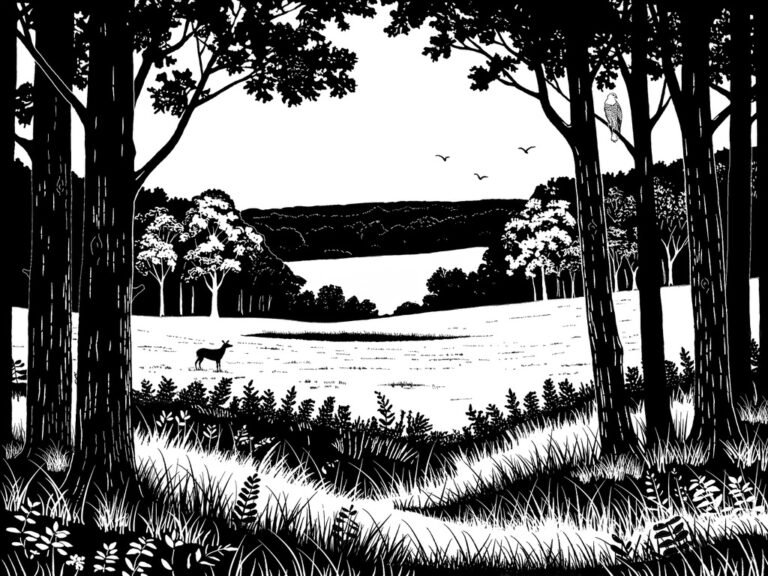
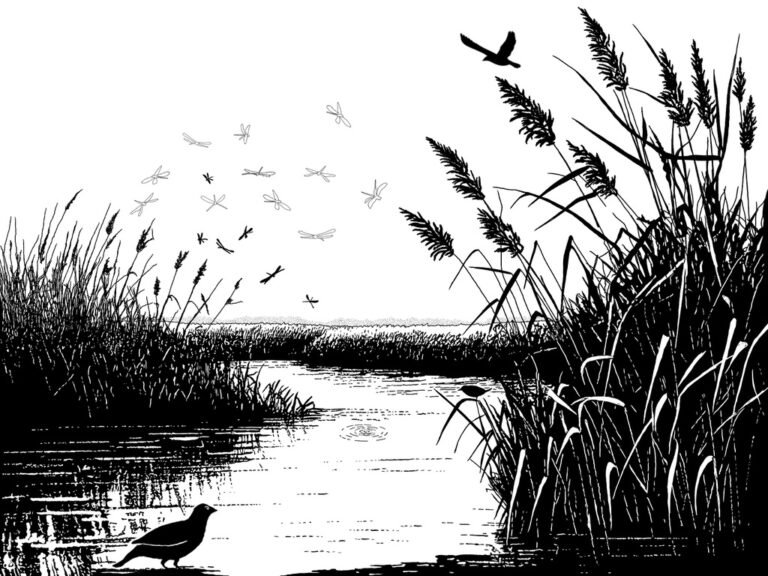
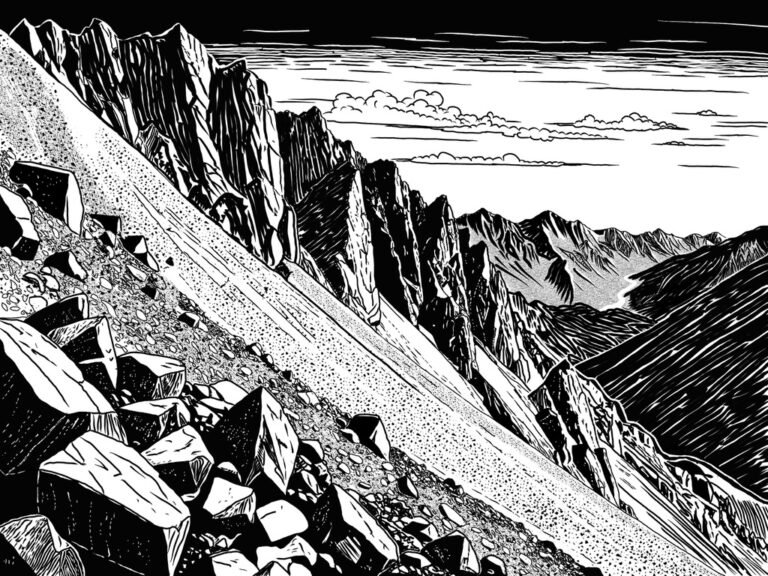
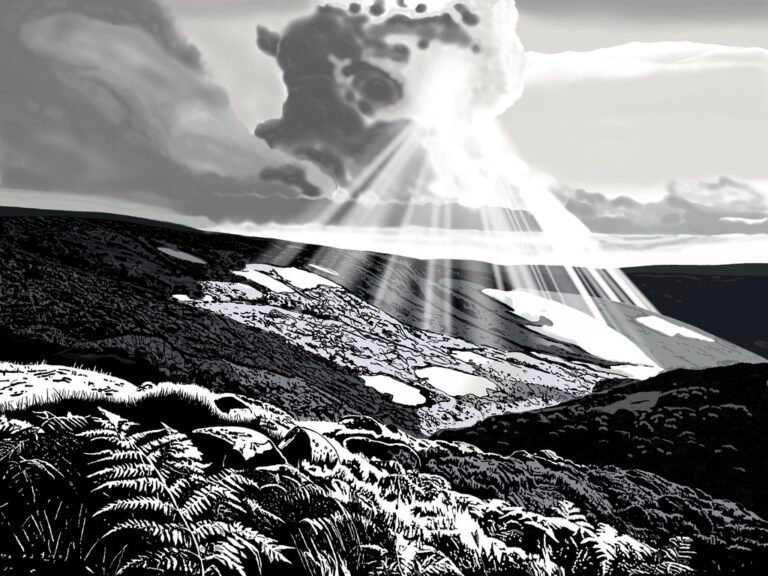
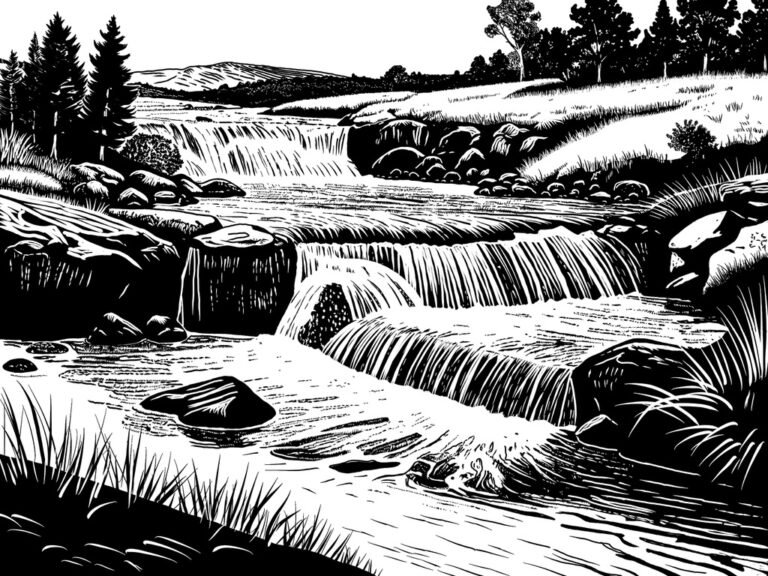
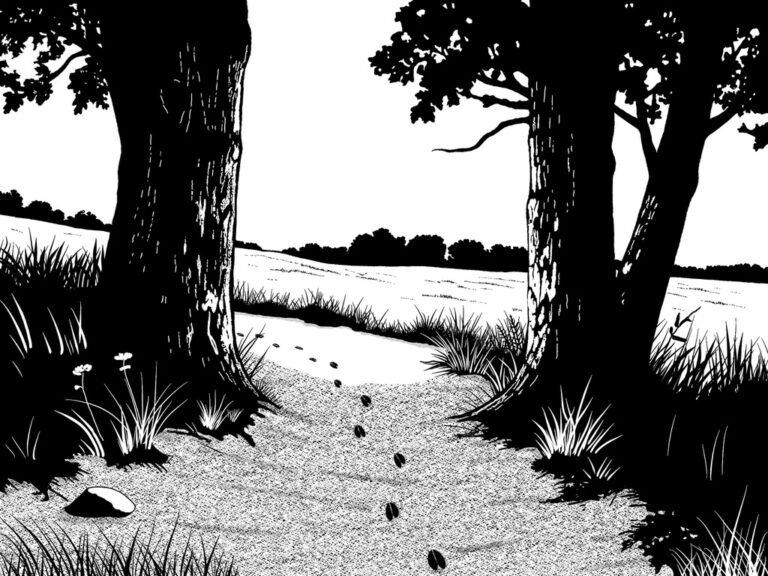
Artwork That Helps You See More Clearly
Original illustrations by author-artist Rich Green
A Structured Interpretive Method
From Pattern to Process to Principle
The book introduces practical learning models that help you read nature’s grammar:
Pattern → Process → Principle: Learn to move from what you can see, to how it is being formed, to the deeper logic behind it.
Notice · Name · Test: Turn observation into interpretation by asking better questions, testing assumptions, and refining understanding.
Field Exercises: Deepen experience through practical exercises that take the method outdoors and make the learning experiential.
Repeatable Practices: Build interpretation steadily through habits of observation, comparison, reflection, and return.
A clear, repeatable approach for learning nature’s grammar through direct observation, field practice, and disciplined interpretation.
The readers' journey, discoveries, and outcomes
From the starting point of learning simple, repeatable routines that train seeing rather than merely looking, to moving through short illustrated exercises and field prompts that convert curiosity into reliable judgment and small daily habits into measurable competence.
Along the way, readers uncover surprising payoffs: sharper focus, less uncertainty, and practical environmental signals that were previously dismissed as background noise.
By the end of reading The Art of Reading Nature, readers not only appreciate nature’s beauty—they read it like a familiar language, make wiser choices from what they notice, and carry a new identity as a practised interpreter of living systems.
The Interpreting Nature Bundle
The eBook empowers through understanding and relationship.
The Field Guide companion PDF builds knowledge through practice.
The Nature Journal companion PDF develops skills through guided observation and reflection.
Readers' Testimonials
Peter G.
Natural History Enthusiast
Beautifully written, deeply thoughtful, and surprisingly practical. It has changed the way I look at recurring patterns in the living world and helped me ask far better questions outdoors.
Hannah L.
Independent Researcher
This is one of the few resources I’ve found that genuinely helps bridge the gap between fascination and understanding. It gave me a clearer language for reading form, change, relationship, and meaning in nature.
Simon K.
Field Observer
What makes this work so strong is the method. It gives you a structured way to think about pattern, process, and principle without losing the sense of wonder that drew you there in the first place.
Get the Bundle
Bought separately, the ebook and companion PDFs cost £18.97.
Bundle price- £12.99, saving you £5.98
· Instant Download EPUB & PDF files · Read On Any Device
· README file to help you upload to your devices
£12.99
Frequently asked questions
What is The Art of Interpreting Nature about?
The Art of Interpreting Nature teaches you how to read the living world as a system of patterns, signals, and relationships. Rather than simply admiring nature, you will learn how to observe it with clarity, recognise recurring patterns, and translate what you see into practical understanding and wiser decisions.
Is the eBook available immediately?
Yes—the book is available for instant download in EPUB & PDF formats for reading on any device. The download includes a read-me file to help with uploading to your devices.
What format is the eBook?
The eBook is an EPUB file that can be read on any device. it comes with a README file to help with uploading to devices. The checkout process is completely secure with an instant download. An email is sent including receipt and links to the eBook that remain active for your convenience.
Who is this book for?
The book is designed for:
- Nature lovers who want a deeper understanding rather than surface appreciation
- Outdoor enthusiasts, guides, and naturalists
- Educators seeking experiential learning methods
- Systems thinkers and problem-solvers
- Readers interested in mindfulness grounded in practical skills
- Anyone who wants to sharpen their perception and notice what others miss
No scientific background is required.
Is there more coming in this series?
Yes—There is a series of books: Book 1, The Art of Reading Nature, see, understand, and navigate the natural world with confidence, is available.
Book 3, The Art of Healthy Living with Nature, Restoring Balance, Meaning, and Vitality Through the Living World, will be released soon.
Do I need experience in ecology or outdoor skills?
Not at all. The book is written for practical learners, curious beginners, and experienced naturalists alike. It introduces clear frameworks and exercises that gradually train observation and interpretation skills.
Is this a scientific book or a philosophical one?
It combines both practical science and reflective insight. The emphasis is on usable observation, pattern recognition, and interpretation rather than abstract theory. It is grounded, practical, and accessible, while still exploring the deeper relationship between perception, nature, and human understanding.
What will I actually learn?
You will learn how to:
- Observe nature systematically
- Distinguish signals from noise
- Recognise recurring natural patterns
- Interpret environmental clues and relationships
- Understand how conditions influence outcomes
- Develop practical ecological awareness
- Turn observation into informed judgement
The book trains a repeatable process rather than teaching disconnected facts.
What makes this different from ordinary nature writing?
Most nature books focus on information or inspiration. The Art of Interpreting Nature focuses on interpretation.
Instead of simply describing the natural world, it teaches you how to read and understand it — like learning the grammar of a living language, or landscape.
The goal is turning wonder into skill.
What does “learn nature’s grammar” mean?
Nature communicates through repeated forms, relationships, behaviours, and processes. Just as grammar helps us understand language, pattern literacy helps us understand the living world.
The book teaches readers how to recognise these patterns and interpret what they reveal.
Does the book include exercises or practical methods?
Yes. The book includes guided observational practices, interpretive frameworks, and practical exercises designed to train perception step by step.
The aim is to turn wonder into a repeatable skill.
Will this change how I see the world?
That is the intention.
Readers often begin noticing relationships, rhythms, and signals they previously overlooked. The book aims to shift perception from passive observation to active interpretation — from simply looking at nature to understanding what it is saying.